
People may struggle with choosing nutritional foods or with hunger when they break their fast. Listen to your body and consult your health care provider to ensure intermittent fasting is safe and appropriate for you. Plain water, whether still or sparkling, is the foundation of any fast and is completely safe, as it contains no calories or metabolic triggers. Black coffee and plain, unsweetened tea are also acceptable because they contain minimal calories and do not cause an insulin spike.
Stage 2 Fasting (12-18 Hours): Ketosis, Fat Burning, and Mental Clarity
Both show minimal evidence of triggering insulin or activating pathways that suppress autophagy. Not all artificial sweeteners behave the same way in your body, and some appear to trigger insulin release even without calories. The unimeal user review use of non-nutritive sweeteners (NNS), such as aspartame, sucralose, saccharin, stevia, and monk fruit, is the subject of intense debate in the fasting community. These substances provide sweetness without adding traditional calories, but their metabolic impact is not entirely neutral.
Drinks to Avoid When Intermittent Fasting
- Acesulfame potassium (ace-K), found in many diet sodas including Diet Coke and Coke Zero, has the most direct evidence for stimulating insulin.
- Small amounts can be added to water to provide flavor without interrupting your fast.
- Some research suggests that replacing refined carbs with unprocessed starchy carbs may improve metabolic health and reduce belly fat.
- They’re here to help you feel good and keep you on that fasting journey.
- In fact, low carb diets may cause belly fat loss in people with overweight, those at risk for type 2 diabetes, and people with polycystic ovary syndrome (PCOS).
- According to the most recent Dietary Guidelines for Americans, it’s recommended to limit alcohol intake to two drinks or fewer per day for men and one drink or fewer per day for women.
Bone broth is a relatively low-calorie beverage that provides a quick, easily digestible serving of protein, especially after a fast. It can even be a great addition to your Fast-Breaker meal, as it helps boost your protein intake in addition to providing collagen and minerals. Intermittent fasting means not eating food… but what about beverages? While some are off limits, there’s a wider variety of options you can — and probably should — consider.

Flavorings, Additives, and Trace Ingredients
Find out how to keep yourself hydrated without breaking a fast. However, you should be mindful of potential triggers like artificial sweeteners when choosing zero calorie drinks during your fasting period. Importantly, apple cider vinegar must be diluted as its acidity can harm your tooth enamel. It’s also worth noting that while anecdotal evidence suggests it may help with weight loss and blood sugar control, more research is needed in these areas.
White Tea
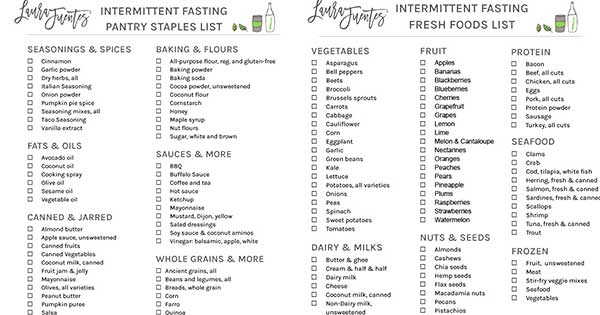
Some people report feeling less hungry over time as the body adapts, though this can vary from person to person. While on an intermittent fasting regimen, the rule is to stay hydrated without adding calories on the days or during the hours of fasting. During intermittent fasting (IF), you can consume certain beverages that will not break the fast or interrupt the fasting window. Staying hydrated while fasting is crucial, so we compiled intermittent fasting drinks to add to your grocery list.
What Does Carbonation Do to Your Body?
Remember, while these beverages can aid in your fasting journey, water should always be your primary source of hydration. If you’re not a fan of plain water, flavoured water can be a refreshing alternative. Infusing water with fruits or herbs adds an extra layer of taste without breaking your fast, as it doesn’t contain any calories. You hear about it from friends and see it online, and everyone is talking about these incredible outcomes. “Okay, but what can I actually have during those fasting hours?” is the next thing that comes to mind. SummarySparkling water isn’t just a refreshing drink—it comes with surprising health benefits too.
Read on to explore what you can drink during intermittent fasting and what should be avoided to get the most out of an intermittent fasting routine. Sometimes the transition to an intermittent fasting lifestyle can lead to a couple weeks of symptoms like headaches, hunger and muscle cramps. We have a few suggestions to help you out in the infographic below. In contrast, when you fast for a prolonged period, your body has to draw energy from the glucose it already has stored.
Are There Drinks You Should Avoid During Intermittent Fasting?
This type of eating is often described as “patterns,” “cycles” or “schedules” of fasting. Download Noom on iOS & Android for daily tips, exclusive recipes, and more to help you on your wellness journey. Because they contain no sugar and very few calories, some people following lower-carb diets may include them occasionally. But they still contain small amounts of carbohydrates, 9 grams in a medium, which could be too much for a very strict keto diet.
Hydrogen and oxygen molecules in water are crucial for cellular hydration and energy production. Bell peppers contain about 31 calories per 100 grams and are rich in vitamin C and antioxidants. Their high water and fibre content make them an excellent zero-calorie food for intermittent fasting, helping to control appetite and enhance digestion. Capsanthin, the primary compound in red bell peppers, provides anti-inflammatory benefits and supports fat metabolism, making them beneficial for weight loss. It helps restore the fluid balance in your body and keeps food cravings at bay.
Health effects of intermittent fasting
Lettuce is another excellent zero-calorie food for intermittent fasting, with only 5 calories per 100 grams. It is packed with vitamins A, C, and K, which help maintain skin health and immunity. The high fibre and water content in lettuce promote digestion and hydration, preventing bloating and constipation. It also contains lactucarium, a compound known for its mild sedative effects, which may help improve sleep quality during fasting periods. However, for those prioritizing strict metabolic benefits, such as maximal autophagy induction, these highly-sweetened, complex options represent a potential risk. The safest course for a “clean” fast is to avoid all artificially sweetened beverages and complex additives, sticking to water, black coffee, and plain tea.
Sparkling and seltzer waters (zero calories)
Shortening your eating window only delivers benefits when your meals remain nutritionally adequate and well-balanced. It’s also worth noting that some people find that coffee and other caffeinated beverages can help reduce hunger and improve mental clarity while fasting. However, if you’re sensitive to caffeine, you may want to avoid it or limit your intake to avoid any negative side effects. For pure weight loss, intermittent fasting produces similar results to cutting the same number of calories spread across the day.
Kefir is a fermented dairy product similar to a drinkable yogurt that contains a variety of beneficial bacteria and yeast strains, making it a great source of probiotics. Probiotics can contribute to a healthy balance of gut microbiota, promoting digestive health and potentially supporting the immune system. Tonic water is not the same thing and has a lot of added sugar or other sweetener to offset the very bitter taste of the quinine in it. Another review showed that regular consumption of green tea could be beneficial for reducing body weight and waist circumference. Although fruit juice provides vitamins and minerals, it’s often just as high in sugar as soda and other sweetened beverages.
Does a 10-calorie drink break intermittent fasting?
Water, coffee, and tea are all great options while fasting, but that doesn’t mean you need to avoid them during your eating window. Water, for example, is an essential and calorie-free beverage that should be a staple during both your fasting and eating windows. Staying adequately hydrated is crucial for various bodily functions including digestion, nutrient absorption, and overall health. Consider drinking water before, during, and after meals to support digestion and help maintain proper hydration levels.
Each method has a pattern of eating and fasting for specific timeframes, allowing you to customize your approach. Salt of the Earth contains zero calories, zero sugar, and only pure electrolytes (1,000mg sodium, 200mg potassium, 60mg magnesium, 40mg calcium). It will not break your fast and helps maintain energy, mental clarity, and electrolyte balance throughout your fasting window.